
How can robots in hazardous work charge themselves?
- # Robots
Note: Translated from the Chinese original.
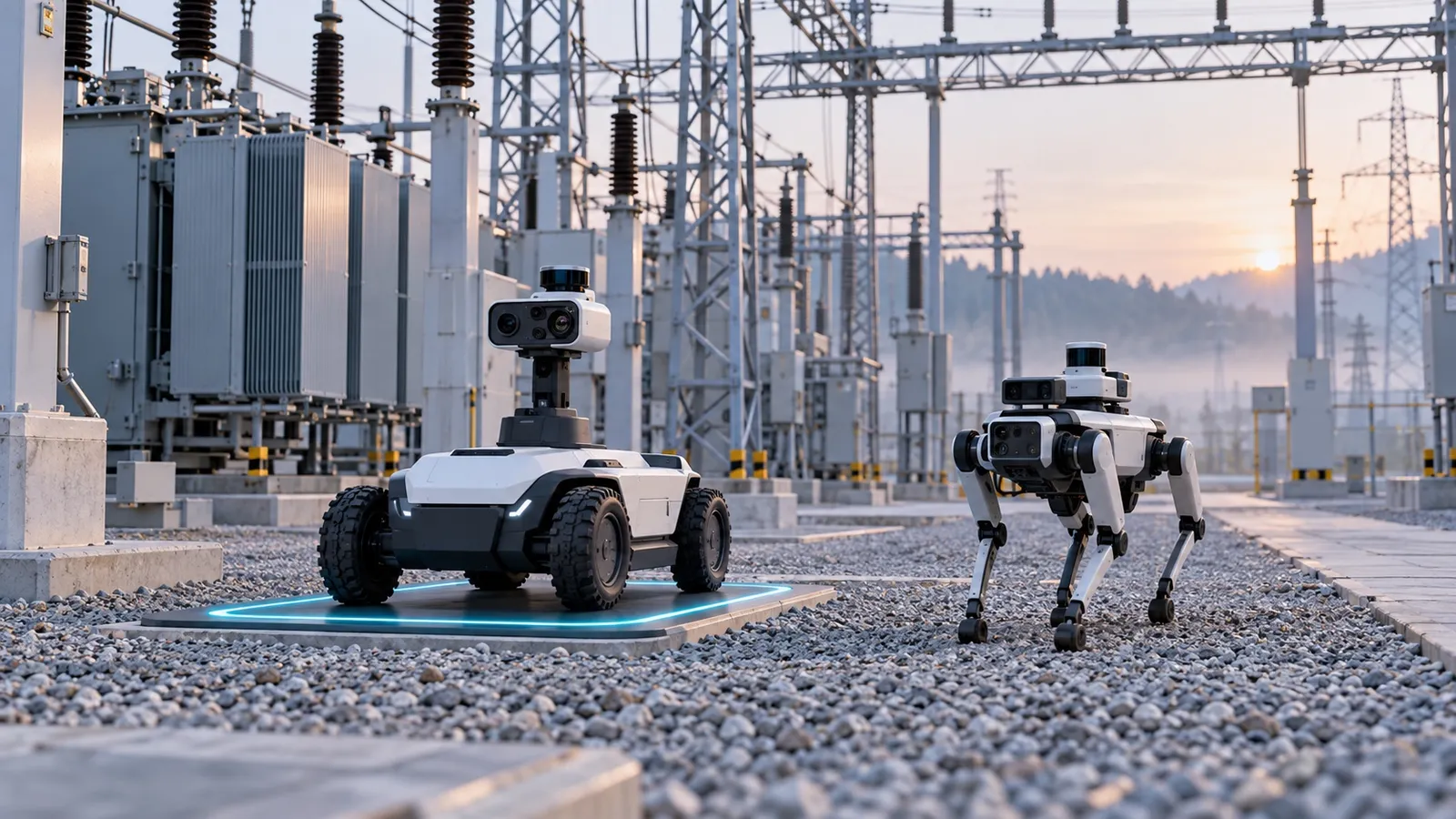
In nuclear power, metallurgy and mining, solar, and oil, gas and chemicals, safety at the workplace is paramount. Radiation, underground flammable gas and severe weather are the main hazards. Automated or teleoperated robots that take over work in these environments greatly reduce people’s direct exposure and help prevent accidents. Robots are also a key way for AI to reach the physical world, with continuous machine learning paving the way for smarter iterations.
Autonomous mobile robots (AMRs), AGVs and rail-mounted robots can transport goods and inspect enclosed underground spaces while measuring hazardous gas concentrations, and AUVs carry out underwater surveying and work. They save labor and detect danger early, greatly improving operator safety. Inspection robots move work from harsh outdoor or underwater sites into the control room, and can even use AI to analyze faults automatically and report them. Such robots are already widely used at remote solar farms, nuclear plants, flooded mines, substations and other special sites.
Most robots are driven by batteries and motors, so their range is limited by battery capacity and motor consumption, and they must return regularly to recharge. There are two main ways to charge: manual plug-in charging, and automatic contact charging docks. Contact docks have clear advantages over manual plugging — the robot navigates back to the dock on its own and recharges, so it can keep working over long periods — and they are already common in industrial AGVs and similar fields.
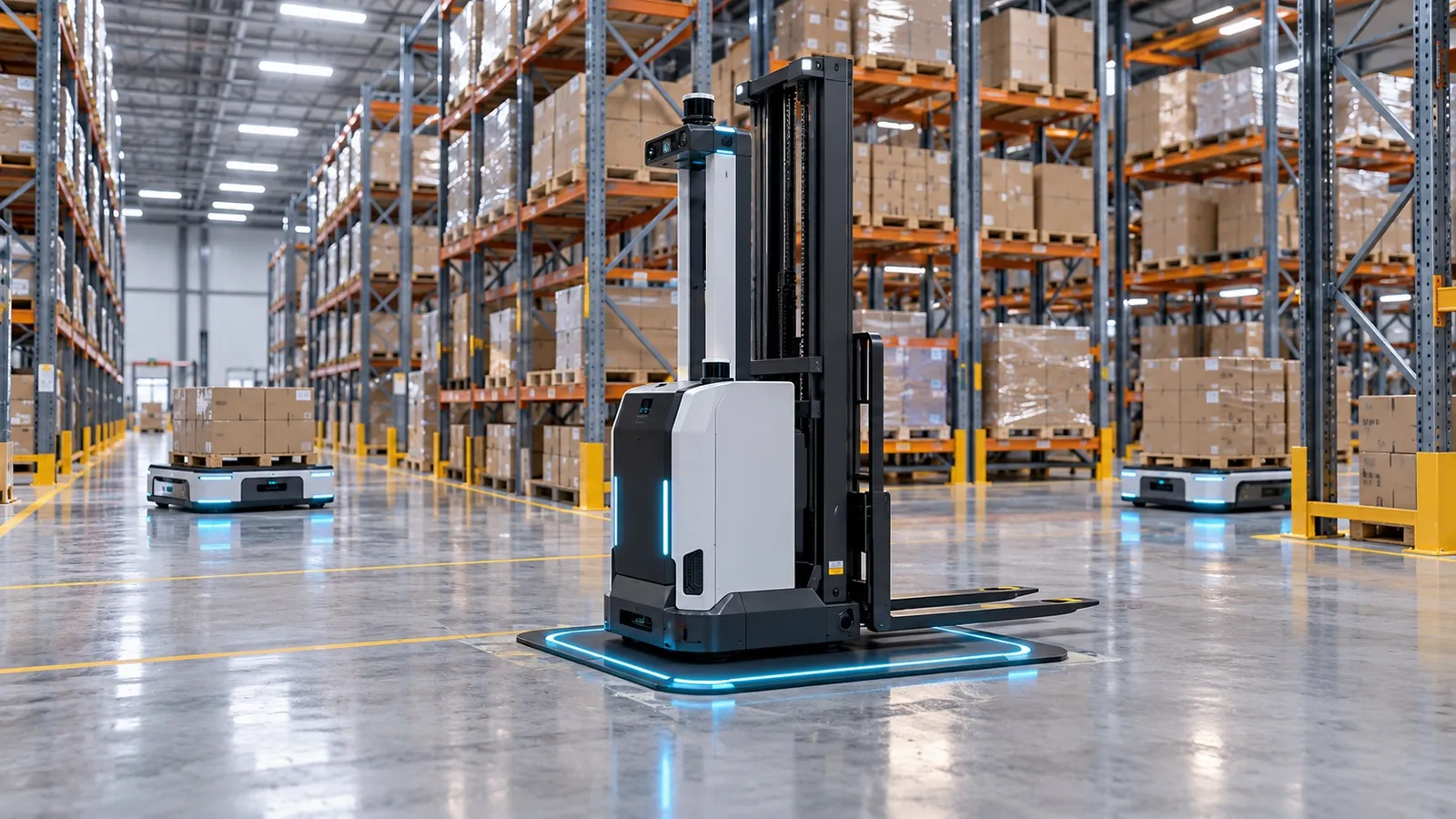
Wireless charging goes a step further: using electromagnetic induction, it transfers power across a gap to charge the battery directly, turning contact charging into contactless charging. The wireless receiver (Rx) is integrated into the robot and the transmitter into the charging dock. The robot uses its navigation to return to the dock on its own; when the transmitter and receiver come close, charging starts automatically, and when it is done the robot resumes inspection or transport — with no human intervention. Enclosed transmitter and receiver housings make the robot more weather-resistant, keeping rain and dust away from the charging system, for use both indoors and outdoors. Because no metal contacts carry the power, there is no plugging and no contact wear; for flammable or explosive sites the complete equipment still needs explosion-proof or other assessments and certification for that site.
Tseetech provides this solution for the mobile robotics and inspection robotics industries. Typical charging efficiency is 85%–95% depending on model and conditions, together with foreign object detection (FOD) and over-voltage, over-current and over-temperature protection.

Robot wireless charging schematic, by Tseetech